Look around your organisation and you’ll spot them immediately – the teams that are absolutely flying and the ones that are, well, just getting through the week. Same company, same resources, wildly different results.
If you’re thinking it’s down to luck or that magical thing called ‘team chemistry,’ think again. After 20+ years of working with organisations across every sector imaginable, I’ve learned that high-performing teams aren’t accidents waiting to happen. They’re designed, developed, and deliberately cultivated.
The timing couldn’t be more critical. With hybrid working fatigue setting in, organisations scaling at breakneck speed, and performance gaps widening between teams, the difference between good and great has never been more visible, or more costly. The teams that thrive have three things in common: they know exactly why they exist, what good looks like, and they are deliberate about unlocking potential.
So let’s break down team performance and talk about what great looks like.
Getting the ‘Why’ Right to Improve Team Performance
Here’s something that might surprise you: the highest-performing teams I’ve worked with don’t start their day thinking about targets or KPIs. They start with purpose – that deep understanding of why their work matters beyond the day-to-day deliverables.
When teams genuinely understand their why, something shifts. Performance stops being something managers have to push and becomes something teams pull towards naturally. It’s the difference between compliance and commitment, between showing up and stepping up.
Purpose isn’t some fluffy corporate poster on the wall. It’s the energy source that powers sustainable performance. When people connect their daily work to something bigger, discretionary effort becomes the norm, not the exception. Innovation happens because people care enough to challenge the status quo. Problems get solved faster because the team owns the outcome, not just the task.
We’re diving deeper into performance and potential in our upcoming webinar ‘The Truths And Lies About Unlocking Your Team’s Performance & Potential‘ – register now to attend.
Defining What ‘Good’ Looks Like for Teams
Walk into most organisations and ask five different managers what makes a great team member, and you’ll get five different answers. One values technical brilliance, another prizes collaboration, a third wants innovation above all else. No wonder teams feel like they’re playing different games with different rules.
This is where competency frameworks become your secret weapon. Think of them as your organisation’s rulebook, the golden thread that connects what you need from people with how you develop them to deliver it. They transform ‘good’ from a vague feeling into something visible, measurable, and most importantly, achievable.
Our STAR model breaks this down beautifully for teams:
- Skills (what human/ technical abilities do we need?)
- Training (what gaps need filling?)
- Attributes (what behaviours drive our success?)
- Relationships (how do we work together and with others?)
Suddenly, performance conversations become specific rather than subjective. People stop guessing what’s expected. Managers stop relying on gut feel. Teams align around shared standards that actually mean something.
The magic happens when everyone can see the same picture of success. Development becomes targeted rather than scattergun. Career conversations shift from ‘work harder’ to ‘here’s exactly what the next level looks like.’ Performance management transforms from annual torture to ongoing clarity.
Want to see how this works in practice? Our pieces on using competency frameworks to boost performance and future-proofing your organisation show you exactly how organisations are turning frameworks into competitive advantage.
Getting the Right People in the Right Roles: High Performers and High Potentials
Every team needs its engines – those reliable high performers who consistently deliver today’s results. But if that’s all you’ve got, you’re building a team with an expiration date. Tomorrow’s performance depends entirely on how well you’re developing your high potentials right now.
The trap many organisations fall into is treating these two groups the same way. Your high performers need recognition, the right challenges, and protection from burnout. Your high potentials need stretch, exposure to different parts of the business, and accelerated development. Mix these up and you’ll either bore your future leaders or break your current stars.
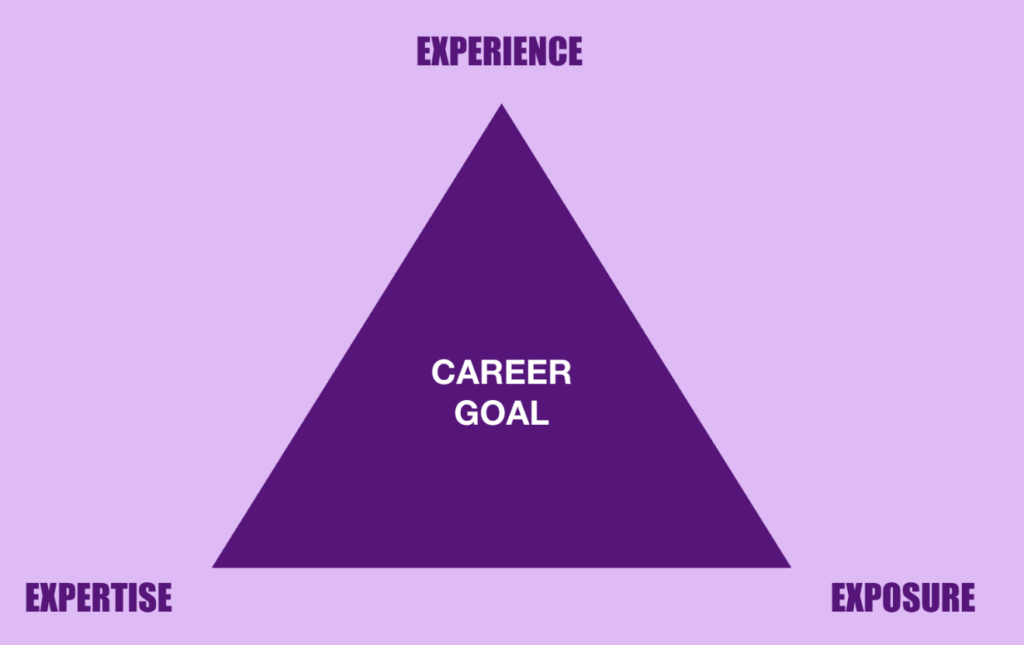
We use our 3Es model to guide development for both groups:
- Experience (what challenges will stretch them?)
- Exposure (who do they need to learn from?)
- Expertise (what specific skills need developing?).
It’s simple enough to remember but sophisticated enough to drive real growth.
The real skill is in balance. Teams dominated by high potentials can be exciting but chaotic – all vision, limited delivery. Teams full of only high performers can execute brilliantly but struggle to adapt when the world changes. The sweet spot? A deliberate mix that delivers today while building for tomorrow.
Our deep dive into high performers vs high potentials unpacks this further, including how to spot each type and what they need from you to thrive.
Initial Steps to Improving Team Performance This Quarter
Enough theory. You’ve got a business to run and teams that need attention now, not after a six-month transformation programme. Here’s what you can actually do this quarter to shift the dial on team performance:
- Get the team together and spend time reconnecting to their purpose. Here are some useful questions you can use to explore this:
- What impact does our team create?
- Who would miss us if we disappeared tomorrow?
- What would we do differently if we truly believed our work mattered?
The conversation alone will tell you everything about your team’s connection to purpose.
- Schedule a 1:1 development conversation with each of your team and map them against your competency framework. Don’t have one? Use our STAR model as a starting point. Where are the gaps? What patterns emerge? You’ll quickly spot whether you have a skills issue, a behaviour challenge, or something else entirely. Remember: this is not about judgement, you’re simply having a two-way development conversation that is mutually beneficial.
- Take 20 minutes to categorise your team members: who are your high performers? Who are your high potentials who could lead tomorrow? Who makes up your talented many – those solid contributors who might shine with the right development? Then identify one development action per person using the 3Es model. Small moves, consistently applied, beat grand gestures every time.
- Run a ‘performance pairs’ exercise where team members partner up to share one thing they do brilliantly that others could learn from. It’s peer learning at its simplest and most effective, and it surfaces hidden expertise you didn’t know existed.
- Finally, have an honest conversation with yourself about whether you’re measuring what matters. If your performance metrics don’t connect to your team’s purpose and your competency framework, you’re sending mixed signals that confuse rather than clarify.
Life’s Too Short for Beige Teams
Here’s our stance: teams shouldn’t just hit targets and tick boxes. They should feel energised about their contribution, clear about expectations, and confident about their growth trajectory. Life really is too short to lead or be part of a beige team that’s just going through the motions.
High-performing teams aren’t about working harder or longer. They’re about clarity of purpose, consistency of standards, and deliberately developing the right mix of talent. Get these foundations right and performance becomes less about pushing and more about enabling.
Ready to move beyond beige? Whether you need help designing competency frameworks that actually work, refreshing your approach to performance, or running a programme that transforms team dynamics, we should talk. Because your teams deserve better than accidental performance, and so do you.