The ‘people-first vs performance-driven’ debate in HR is over. The organisations winning on talent, culture and commercial results today have stopped treating these as competing priorities and started running them as a single integrated strategy. Human performance and business performance don’t trade off against each other – instead, they amplify each other.
This article sets out what people-first and performance-driven HR actually mean in 2026, why combining them is now a strategic imperative and how to embed both across your HR practice. We also share how Let’s Talk Talent’s Art, Science and Humanity model helps organisations bring this to life.
In this article you’ll learn:
- Why combining people-first and performance-driven HR is now a strategic imperative
- What people-first and performance-driven HR really mean today
- How to embed both across your HR strategy and processes
- How LTT helps organisations design people-first, performance-driven people strategies
Why People-First and Performance-Driven Can’t Be Separated Anymore
Modern HR strategy is no longer about choosing between caring for people and driving results. A 2025 state of people strategy study found that employee engagement, performance management, learning and development, and manager enablement ranked as the top four HR priorities globally. These aren’t separate workstreams, but the same agenda.
The risk of staying in ‘either/or’ mode is measurable. If you push performance without genuine care for people, you accelerate burnout and attrition. And if you prioritise wellbeing without clear accountability, you lose commercial credibility. Here’s how the mindset shift looks in practice:
- HR as policy enforcer vs HR as a strategic people and performance partner connecting culture to commercial outcomes
- Annual reviews vs continuous conversations and coaching that help people grow in the flow of work
- Productivity at all costs vs sustainable human performance, where people deliver more because they’re supported
- Wellbeing as a perk vs wellbeing embedded in how work is designed, led and managed
If you want to feel confident about your people strategy and its connection to business results, this integration is where to start.
What Does People-First HR Actually Look Like Today?
People-first HR is an intentional strategy that designs work, culture and leadership so people can thrive and, as a result, deliver stronger performance. It isn’t wellbeing perks bolted onto a traditional operating model – rather it’s a shift in how an organisation views its relationship with its people.
In practice, people-first HR means:
- Holistic wellbeing embedded into workload, workflows and manager expectations: mental, physical and financial health, not just apps and yoga subscriptions
- Inclusive, psychologically safe cultures where diverse voices shape decisions and drive innovation
- Flexible and hybrid working built around outcomes, autonomy and trust
- Empathetic leadership that balances genuine support with high expectations
Deloitte’s 2024 Global Human Capital Trends report, drawing on over 14,000 respondents across 95 countries, found that organisations making meaningful progress on human performance are nearly twice as likely to achieve their desired business outcomes. Additionally, diversity-rich organisations are 2.4 times more likely to outperform competitors financially.
Creating psychological safety at work is foundational to this. When people feel safe to speak up and take risks, performance improves. Treating team collaboration and high performance as the unit of performance, rather than individual output, is what builds a culture that sustains results over time.
What Does Performance-Driven HR Really Mean?
Performance-driven HR in 2026 means performance enablement: continuous, fair, data-informed and aligned with strategy and values. It has little in common with annual ratings or target-setting that’s disconnected from how work actually happens.
Modern performance-driven practices look like:
- Continuous feedback loops replacing once-a-year reviews with ongoing developmental conversations
- Transparent goal-setting that connects individual objectives, team priorities and organisational strategy
- Skills and potential-based progression that rewards capability and contribution, not just tenure
- Fair, bias-aware evaluation supported by people analytics and manager capability development
- Real-time recognition of impact and values-driven behaviour, not just year-end results
Adoption of continuous feedback and AI-supported performance analytics is rising sharply, with a 2025 HR trends analysis projecting adoption above 60% in leading organisations. Yet many employees remain dissatisfied with traditional performance processes, pointing to a gap between what organisations deploy and what people actually experience.
Career growth and performance management works best when it’s personal, forward-looking and tied to future skills. That’s where future-proofing your organisation through competency frameworks becomes a practical lever: defining what good looks like, building it consistently and making progression visible.
How to Integrate a People-First Approach with Performance for Real Impact
Integration has to run through the full employee lifecycle, from hiring and development to performance, reward and exits. Here’s how to integrate a people-first approach across four areas:
1. Embed Wellbeing into Performance Management, Not Alongside It
- Include a brief wellbeing check in 1:1 and performance templates: ‘load check’ and ‘energy check’ questions normalise conversations about capacity
- Recognise managers who build sustainable performance (low burnout, high engagement and strong output) not only those who hit short-term targets
- Set goals that balance ambition with realistic capacity; stretch without regard for workload accelerates attrition
- Use 360 and peer feedback to assess empathy, inclusion and coaching behaviours alongside delivery
2. Use People Analytics to Personalise, Not to Police
- Spot hotspots of overload, attrition risk or stalled development early and intervene before they become crises
- Use skills and performance data to surface internal moves and learning that align with both business need and individual aspiration
- Combine quantitative data with qualitative insight; numbers tell you what, people tell you why
- Set clear governance around privacy and ethics; Deloitte’s research shows employees who trust their organisation’s data practices are 35% more likely to trust the business overall
3. Make Learning, Skills and Performance Part of One Story
- Tie learning formats (micro-learning, workshops, peer learning and on-the-job projects) directly to performance expectations and future skills
- Create internal ‘skills marketplaces’ where people develop capabilities they care about while delivering business value
- Protect learning time within workload and hold managers accountable for enabling it
- Measure learning impact on both employee experience and business KPIs
Visit our learning and development hub for resources, or download our performance development whitepaper for practical frameworks.
4. Align HR KPIs with Business Strategy – a handy checklist
- HR objectives (engagement, internal mobility, leadership capability) directly support business goals (growth, innovation, customer outcomes)
- People metrics are tracked alongside business metrics: customer satisfaction, revenue and quality
- L&D programmes are designed around future skills the strategy requires: digital, AI literacy, leadership and collaboration
- Performance and reward systems recognise both results and values-aligned behaviours
Our careers and performance consultancy supports organisations to align these areas in a coherent, measurable way.
How to Connect Technology and Human Leadership
HR technology and AI amplify human judgement and connection but they don’t replace either. The organisations getting the most from HR tech use it to make their people and managers better, not to reduce the need for human decision-making.
Maintaining Human Leadership in a Data-Rich World
- Leaders need to role-model people-first behaviours consistently; values talked about in all-hands need to show up in how difficult conversations are handled
- Psychological safety makes data-informed feedback feel developmental rather than threatening
- Our performance management workshops for managers and performance management 101 give leaders practical tools to lead with both clarity and care
Using HR Tech and AI Wisely
- Use technology for nudges that prompt check-ins, sentiment insights that flag disengagement early, and learning recommendations that meet people where they are
- Set clear guardrails on data use, privacy and bias mitigation before deploying any AI-supported HR tool
- Keep complex, human decisions (restructures, promotions, difficult performance conversations) with human leaders; AI supports the decision, it doesn’t make it
Our team performance consultancy helps build the team-level practices that technology can then support and scale.
Our People-First, Performance-Driven Model: Art, Science and Humanity
This is how Let’s Talk Talent helps clients operationalise a people-first, performance-driven approach. Three elements that, individually, are necessary but not sufficient. Together, they create lasting change.
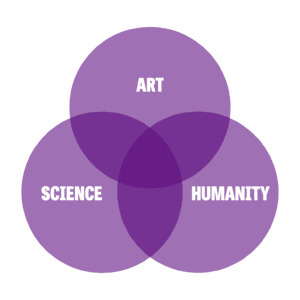
1. The Art – Creative, Contextual Solutions
- Designing custom people frameworks that reflect each client’s brand, culture and strategy, not generic templates
- Co-creating employee journeys, EVPs and performance narratives that feel authentic
- Helping leaders tell a compelling story about people, performance and purpose
2. The Science – Data, Evidence and Measurement
- Using diagnostics, surveys and people analytics to understand engagement, performance and retention patterns
- Building skills-based frameworks and performance models that link to business outcomes
- Measuring the impact of HR and leadership interventions so you can prove ROI, not just report activity
3. The Humanity – Empathy, Inclusion and Purpose
- Developing empathetic leadership and psychologically safe cultures where people speak up, grow and contribute fully
- Supporting inclusive practices that create belonging and unlock diverse talent
- Anchoring people and performance strategies in a shared sense of purpose
Where Art, Science and Humanity intersect, people feel genuinely valued, perform at their potential, and contribute to something that matters.
Ready to Build a Truly People-First, Performance-Driven HR Strategy?
Sustainable success now depends on combining genuine care for people with clear expectations, fair accountability and aligned performance systems. Organisations that treat these as separate agendas will keep getting one at the cost of the other.
If there are gaps in how your current HR strategy balances people-first principles with performance-driven practices, we’re here to help you close them. Get in touch with the Let’s Talk Talent team to start the conversation.
FAQs About People-First, Performance-Driven HR
What does ‘people-first, performance-driven’ HR actually mean?
It means designing your HR strategy so that genuine care for your people and clear performance expectations reinforce each other, rather than compete. Organisations perform best when both are present and integrated.
Why is this approach a strategic imperative for modern HR?
Neither approach alone delivers sustainable results. A 2025 state of people strategy study found 91% of high-performing HR teams meet most or all of their managers’ needs, compared to just 41% of lower-performing teams. Integration is what separates strategic HR from operational HR.
How is performance management changing?
It’s shifting from annual ratings to continuous feedback, coaching conversations, skills-based progression and data-informed development: from measuring what people did to enabling what they can do next.
How can HR connect people initiatives to business outcomes?
Track correlations between people metrics (engagement, retention, mobility) and business metrics (customer satisfaction, revenue, quality). Design L&D programmes around future skills the strategy requires and report on people outcomes at board level, not just HR activity.
Where should we start if our HR function is still quite transactional?
Identify one or two areas where a shift to a more strategic, people-first approach would have visible impact quickly. Performance management and wellbeing integration are usually the most effective starting points. Our careers and performance consultancy is a practical place to begin.