Learning at Work Week: Many Ways to Learn, One Strategic Plan
Learning at Work Week: Many Ways to Learn, One Strategic Plan

Learning at Work Week 2026 runs from 18–24 May, and the theme is Many Ways to Learn.
At Let’s Talk Talent, we’re using the week as a springboard to help HR leaders turn learning into real change, not just a flurry of one-off activities.
Our 2026 focus is simple: support senior decision‑makers and the wider HR community with practical experiences, tools, and conversations that make learning a driver of change, transformation, and performance.
On this page, you’ll find all the info you need on the launch of the LTT Mentoring Programme, and the wider set of Learning at Work Week activities we’re running across the week, so you can easily plug them into your own plans.
Why partner with Let’s Talk Talent for Learning at Work Week 2026?
For us, Learning at Work Week 2026 is less about filling a calendar and more about creating lasting value for your people strategy, leadership capability, and your developmental goals.
Everything we’re doing this year is anchored in our focus on change and transformation, with a specific emphasis on managers and leaders as the engine of that change.
We’ve designed our Learning at Work Week programme so HRDs, CPOs, and HR teams can plug into ready‑made, high‑quality experiences that support their internal initiatives, from leadership development and talent planning to culture change and future skills, without having to build everything from scratch.
How we’re bringing “Many Ways to Learn” to life
The LAWW theme is built around three strands – Learn to Learn, Learn for Life, and Learn for Work – and we’re using these as lenses for our 2026 activities so you can clearly see how each supports your priorities.
- Learn to Learn – sessions that build self‑awareness, reflection, coaching, and mentoring capability for leaders and HR professionals, helping them become better learners through feedback and experience.
- Learn for Life – experiences that support confidence, resilience, personal effectiveness, and leadership identity beyond the day job, so people grow in ways that outlast a single week.
- Learn for Work – practical offers that improve individual, team, and organisational performance through better leadership, management, and change skills, directly linked to outcomes and impact.
Learning at Work Week 2026 webinars, live events, and WhatsApp courses
Across the week, we’re running a blend of live in‑person sessions, expert panel webinars, and bite‑sized WhatsApp micro‑learning courses, so HR leaders and their teams can plug into high‑quality experiences that fit around their working week. Every session is free, practical, and built to spark conversations that continue long after the week is over.
WEBINAR – L&D Strategy Panel: Future of Learning
Mon, May 18th 2026
Time: 9:15 AM BST
The L&D landscape is being rewritten – fast. Join this free expert panel webinar, hosted by Jo from Let’s Talk Talent, for an honest conversation about what’s actually working in workplace learning and what’s just hype. Part of Learning at Work Week 2026.

What you’ll take away:
- Clarity on what’s hype versus what’s delivering real learning impact.
- How leading organisations are balancing technology with human connection.
- What learner agency looks like in practice – and how to make it happen.
- Fresh ideas and practical insights to take straight back to your organisation.
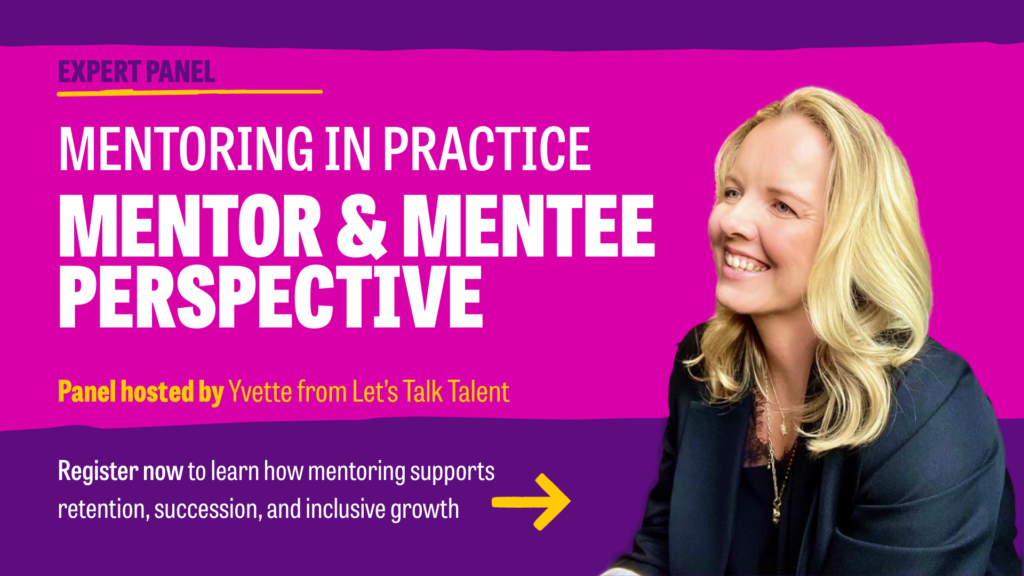
WEBINAR with EXPERT PANEL – Mentoring in Practice: Mentor & Mentee Perspectives
Tue, May 19th 2026
Time: 9:15 AM BST
A live expert panel bringing together senior HR leaders to explore how mentoring – when designed well – becomes one of the most powerful development tools in your organisation. Honest, practical, and grounded in real experience.
What you’ll learn:
- Why mentoring still matters in an AI‑influenced world of work.
- How to position mentoring as a strategic tool, not just a goodwill initiative.
- Practical approaches to designing and launching effective mentoring programmes.
- How mentoring drives retention, succession and inclusive growth.
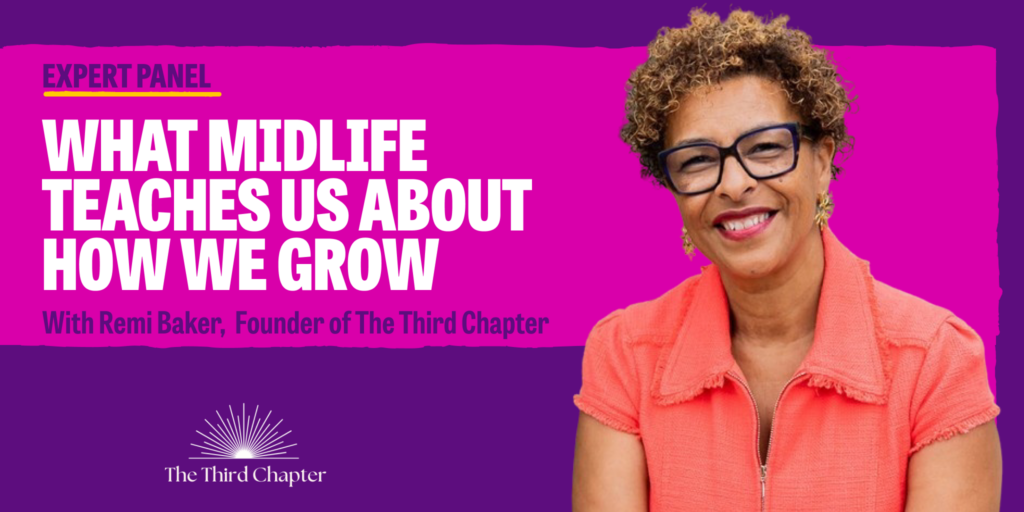
WEBINAR – What Midlife Teaches Us About How We Grow
Wed, May 20th 2026
Time: 9:15 AM BST
A free expert panel webinar hosted by Remi Baker, founder of The Third Chapter. Three women share honest, unscripted reflections on what midlife has taught them about growth, identity and learning – and what that means for how we show up at work.
What you’ll take away:
- A fresh perspective on learning through lived experience rather than formal development.
- Language to reflect on your own transitions, adaptations, and growth.
- Reassurance that learning continues, even when the path is less linear.
- Practical prompts to support ongoing curiosity and reflection in work and life.
LIVE IN‑PERSON EVENT: Managing Change Through the Lens of Emotions
Thur, May 21st 2026
Times (BST):
Session 1 @ 9:30 AM – 12:00 PM
Session 2 @ 13:30 – 16:00
Price: £40pp +VAT
Join us in person for this exclusive, hands‑on taster session during Learning at Work Week. We are offering 2 session times, both led by expert facilitator Yvette Janse van Rensburg. This intimate live event is for Senior People Leaders ready to explore change leadership through an emotional lens.

Places are strictly limited, so book early!
What you’ll learn:
- Why people resist change emotionally, not rationally – and what to do about it.
- How to intentionally shape how your people feel during periods of change.
- The leadership behaviours that drive emotional adoption of change.
- A practical framework you can take straight back to your own leadership teams.
WEBINAR – Neurodiversity & Inclusive Leadership
Fri, May 22nd 2026
Time: 9:15 AM BST
Unlock the real potential of your neurodivergent leaders in this free 45‑minute expert webinar. Designed for HRBPs, Heads of HR, and L&D leaders ready to build a leadership pipeline that is genuinely inclusive.

What you’ll learn:
- Why around 1 in 7 of your workforce is neurodivergent – and what it’s costing you to ignore it.
- What neurodivergent leaders uniquely bring to your organisation.
- How to build a truly inclusive leadership pipeline.
- A first look at the Neurodiverse Leader Accelerator programme.
- Practical next steps you can take straight away.
Key Learning at Work Week 2026 activities from Let’s Talk Talent
To truly reflect “Many Ways to Learn”, we’re running a blend of virtual and in‑person experiences that HR teams can tap into as part of their Learning at Work Week plans. These are designed with both senior decision‑makers and the wider HR community in mind and can stand alone or complement your internal programme.
Across these activities, we intentionally blend formats – webinars, panels, workshops, labs, and nudges – so you can demonstrate “many ways to learn” inside your own organisation while leveraging our content, expertise, and facilitation.
Who our Learning at Work Week 2026 programme is for
Our Learning at Work Week activities are designed for organisations that want learning to be a strategic driver of change and performance, not just an annual campaign. If you are serious about leadership, culture, and transformation, we’ve built this with you in mind.
- HRDs, CPOs, and senior people leaders who want high‑quality experiences that open deeper conversations about leadership, culture, and transformation with their executive teams.
- HR Managers, HRBPs, and L&D Managers looking for curated content, expert speakers, and ready‑to‑run sessions to anchor their internal Learning at Work Week plans.
- Emerging HR leaders and people managers who want practical tools and ideas they can apply straight away with their teams.
Outcomes you can expect
- Stronger engagement with senior stakeholders around the role of learning in change and transformation.
- Increased awareness of new ways to learn – mentoring, panels, WhatsApp courses, peer learning, and more – across your organisation.
- A clear example of how learning can be both a community contribution and a commercial lever for your HR strategy.
- Momentum that continues into the rest of Q2 and beyond, rather than a spike in activity for just one week.
How Let’s Talk Talent can support your Learning at Work Week
You can plug into our Learning at Work Week 2026 programme in different ways – from simply signposting your people to our open sessions, to co‑branding elements or building bespoke follow‑on support tailored to your organisation and Q2 roadmap.
- Promote our open webinars and panels as part of your internal Learning at Work Week schedule, giving your people access to external perspectives without extra build time.
- Bring us in as facilitators for in‑house versions of workshops such as Personal Effectiveness or Change Leadership labs, tailored to your context.
- Use our mentoring expertise and the LTT Mentoring Programme to shape your own internal mentoring strategy and supporting resources.
- Extend the week with follow‑up coaching, team sessions, or leadership interventions connected to your Q2 change and transformation priorities.
If you’re already planning your Learning at Work Week 2026 activity, we can help you sharpen your narrative, fill gaps in your programme, and design a more coherent journey for your people that aligns with the “Many Ways to Learn” theme.
Plan your Learning at Work Week 2026 with Let’s Talk Talent
If you’d like to talk about how our Learning at Work Week 2026 activities could support your organisation, get in touch with the Let’s Talk Talent team.
We’ll help you pick the right mix of webinars, workshops, and mentoring support to match your change and transformation priorities.
Frequently asked questions about Learning at Work Week
1. What is Learning at Work Week 2026, and how is Let’s Talk Talent getting involved?
Learning at Work Week 2026 runs from 18–24 May with the theme “Many Ways to Learn”, and Let’s Talk Talent is using it as a springboard to help HR leaders turn learning into meaningful, long‑term change rather than one‑off activities.
2. Who is the Let’s Talk Talent Learning at Work Week 2026 programme designed for?
The programme is designed for HRDs, CPOs, senior people leaders, HR Managers, HRBPs, L&D Managers, and emerging HR leaders who want learning to be a strategic driver of change, culture, leadership, and performance.
3. What Learning at Work Week 2026 activities is Let’s Talk Talent running?
Let’s Talk Talent is running a blend of virtual and in‑person learning experiences, including webinars, panel discussions, workshops, labs, a WhatsApp micro‑learning course, and the launch of the LTT Mentoring Programme that organisations can plug into as part of their internal plans.
4. What is the LTT Mentoring Programme and how does it work?
The LTT Mentoring Programme is a flagship mentoring initiative for HR leaders and emerging talent that matches mentors and mentees from the LTT community, supported by structured frameworks, playbooks, workshops, and resources that help build capability, confidence, and connection over time.
5. How does the mentoring webinar support the “Many Ways to Learn” theme?
The mentoring webinar shows how to design, launch, and sustain mentoring programmes that help leaders learn through reflection and feedback, build long‑term development relationships, and link mentoring directly to performance, progression, and succession.
6. What are the key Learning at Work Week webinars and events I can attend?
Key activities include the L&D Strategy Panel: Future of Learning, a Mentoring in Practice webinar, a session on What Midlife Teaches Us About How We Grow, an in‑person Managing Change Through the Lens of Emotions workshop, and a Neurodiversity & Inclusive Leadership webinar, alongside other LAWW‑aligned experiences.
7. What outcomes can I expect if I partner with Let’s Talk Talent for Learning at Work Week 2026?
You can expect stronger engagement with senior stakeholders around learning and change, increased awareness of diverse ways to learn across your organisation, clearer links between learning, mentoring, and your HR strategy, and momentum that continues beyond the week into Q2 and beyond.
8. How can my organisation use Let’s Talk Talent’s Learning at Work Week offers alongside our internal plans?
You can promote LTT’s open webinars and panels in your internal schedule, bring LTT in to facilitate in‑house versions of workshops, use their mentoring expertise to shape your own mentoring strategy, and extend the week with tailored follow‑up coaching or team sessions.
9. How do Let’s Talk Talent’s activities bring the “Many Ways to Learn” theme to life in practice?
Activities are mapped to Learn to Learn, Learn for Life, and Learn for Work by building self‑awareness, resilience, leadership identity, and practical change and performance skills through mentoring, panels, workshops, and micro‑learning formats.
10. How can I book or discuss Learning at Work Week 2026 support with Let’s Talk Talent?
You can reserve places on specific webinars via their event links or get in touch with the Let’s Talk Talent team to discuss co‑branded activity, bespoke workshops, and the right mix of Learning at Work Week 2026 support for your organisation.